


Fieldwork Efficiency: What Really Helps Teams Work Smarter
Increase field work efficiency with KPIs and Perfect Store & Visit. Discover how to manage your sales team and improve results in FMCG.

Increase field work efficiency with KPIs and Perfect Store & Visit. Discover how to manage your sales team and improve results in FMCG.
The pressure on sales managers keeps increasing every year. Markets change fast, and strategies that worked just recently can become outdated overnight. It’s not only about competitors or shifting consumer expectations, external factors like pandemics, geopolitical tensions, energy crises, or new regulations also reshape the business landscape. On top of that, generational changes are transforming the labor market. Younger employees expect more than just a paycheck, they look for clear rules, quick feedback, and tools that help them grow.
In recent years, it has become clear that in the FMCG and retail sectors, the ability to react quickly creates a real competitive edge. Today, the point of sale is where every strategy is put to the test. That’s why it’s essential to adopt a management approach that enables instant measurement and rapid adjustment of field performance. The question is – how can companies achieve that level of agility?
Why Is Fieldwork Efficiency Declining?
In theory, sales teams know exactly what needs to be done to hit their goals. In practice, it often looks different. Without a clear system and defined priorities, much of their energy goes into low-impact activities. A store visit can sometimes be reduced to a routine order or a quick glance at the shelves – while the bigger picture gets lost: the visibility of key brands, consistent execution of standards, or relationship-building with store staff.
Another challenge is knowledge retention. Initial onboarding may be intensive, but it quickly becomes outdated as promotions, products, and guidelines change. Without tools that support ongoing learning, field reps start relying on habits and those don’t always align with company priorities. The result? Incomplete reports, inaccurate data, and occasionally even visits recorded just to “tick off” the daily plan.
Feedback quality also plays a major role. Multi-page Excel reports or lengthy PDFs lose their value when a rep receives them a week later and can’t act on them in real time. Without timely, actionable feedback, fieldwork becomes like working in the dark, you keep moving, but you’re never sure if you’re going in the right direction.
And finally, there’s the issue of priorities. In the rush to make every store visit count, managers often assign too many tasks at once. When everything is treated as equally important, nothing truly is. During a standard 15-minute visit, it’s nearly impossible to perform a dozen tasks thoroughly which is why strategic activities often end up at the bottom of the list.
Management by Objectives – The Key to Boosting Efficiency
Fortunately, there’s a method that helps bring order to the chaos and makes every minute spent at the point of sale count. Management by Objectives (MBO), supported by clearly defined Key Performance Indicators (KPIs), turns daily operations into a predictable and measurable process.
This approach gives each representative a clear picture of the results they’re expected to deliver, while providing managers with a way to verify whether daily actions truly support the company’s strategy. It’s also a powerful motivational tool, instead of vague expectations, employees receive specific, measurable tasks. As a result, fieldwork becomes more focused, consistent, and effective.
SMART – How to Define Goals That Actually Work
MBO is built on the concept of SMART goals – objectives that eliminate ambiguity and create a shared language across the team.
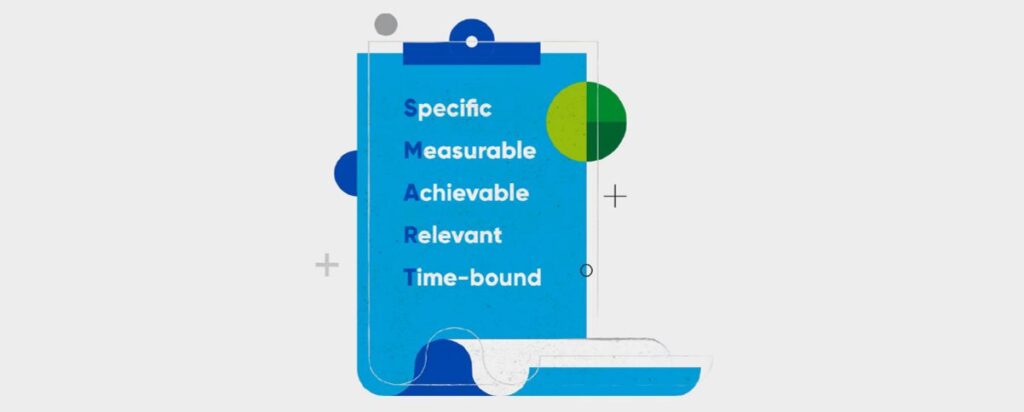
- Specific: Instead of a vague “increase sales”, a rep gets a precise task like “increase orders for product line X by 15% this quarter”.
- Measurable: Progress can be tracked using hard data like shelf availability, number of facings, or average order value.
- Achievable: Goals should stretch performance but remain realistic. Overly ambitious targets demotivate; too easy ones disengage.
- Relevant: Each goal should align with broader business priorities – for example, growing visibility of a strategic brand or expanding into new markets.
- Time-bound: Every goal needs a clear timeframe so that success can be objectively assessed.
KPIs – A Practical Compass for Managers and Field Teams
Once SMART goals are in place, Key Performance Indicators (KPIs) define how success will be measured. KPIs act as a compass – showing whether the team is moving in the right direction. Their biggest advantage? Instant feedback. Instead of waiting for reports after a visit, representatives see results immediately and can act on them. They can, for example, restock missing products or negotiate extra display space for a promotion – right on the spot.

For managers, KPIs are the foundation of data-driven team management. Rather than relying on intuition or scattered reports, they provide a consistent, real-time view of what’s happening in the field. This makes it easier to spot trends, identify problems early, and focus on areas that truly need attention.
Perfect Store & Visit – From Theory to Daily Practice
The Perfect Store concept, well known in the FMCG industry, ensures that every product is in the right place, at the right time, and in the right condition. At eLeader, we’ve taken this model a step further by adding the “Visit” component, encompassing all of a representative’s in-store activities. Together, these elements form Perfect Store & Visit: a comprehensive framework for improving field execution.
The key advantage lies in real-time feedback. During each visit, the representative can see which tasks are complete and which still need attention. The system highlights current priorities in line with company strategy, for instance, promoting key products or active campaigns. Built-in coaching features also support less experienced team members. The app might suggest setting up an additional display at the aisle end – a small action that can significantly boost sales.
Finally, there’s the motivation factor. Comparing performance with previous visits, tracking monthly goals, or engaging in friendly team competitions introduces gamification, a proven way to boost engagement and maintain focus on results.
A Practical Example: How Spomlek Boosted Field Efficiency with eLeader
Theory is valuable but nothing proves effectiveness like real results. A great example comes from Spomlek, one of Poland’s largest cheese producers, which implemented eLeader solutions to strengthen its field operations.
- In modern trade channels, average product presence increased by 4%, and the number of facings by 6%.
- In traditional retail, the results were even stronger with growth reaching 20-25%.
Field representatives knew exactly what to focus on, and their daily activities began to translate directly into tangible bonuses. For Spomlek, this wasn’t just about visibility. The company also gained the ability to track long-term trends, enabling it to adapt its strategy dynamically as market conditions evolved.
How to Start Implementing Management by Objectives
The first step is to define your priorities. Identify which elements of your strategy are truly critical, whether that’s expanding shelf space, winning new listings, improving service quality, or collecting better field data. Next, translate those priorities into measurable indicators that show progress. A general goal like “increase sales” isn’t enough. Instead, define specific metrics, for example, a minimum order value per visit or a targeted percentage increase in shelf facings within a quarter.
The next piece of the puzzle is choosing the right tool – one that delivers instant feedback to both managers and representatives. Solutions such as eLeader Mobile Visit with the Perfect Store & Visit module make this easy by combining planning, execution, monitoring, and reporting in one ecosystem.
But even the best tool won’t deliver results without the right team preparation. Training is essential – not just to show how the system works, but to demonstrate that it’s there to help, not to add more work. When reps see how digital support simplifies their day and helps them earn more, engagement grows naturally.
Finally, treat implementation as a continuous process, not a one-time event. Regularly analyze the data, adjust your goals, and respond to what you learn. This ongoing feedback loop builds a culture of transparency, learning, and accountability across the organization.
Effective Fieldwork in Practice
Managing field teams effectively doesn’t have to mean constant firefighting. With clear goals, well-defined KPIs, and real-time feedback, sales reps can work with confidence and focus – while managers make decisions backed by reliable data. The result? Faster reactions to market changes, smoother strategy execution, and better use of your team’s full potential.
If you’d like to learn more about how the Perfect Store & Visit module can help your team perform at its best, get in touch with us – we’ll be happy to show you how it works in practice.
Niche knowledge straight to your inbox!
If you find what you’re reading interesting, sign up for our newsletter to receive valuable articles straight to your email inbox.

Leave e-mail here:
